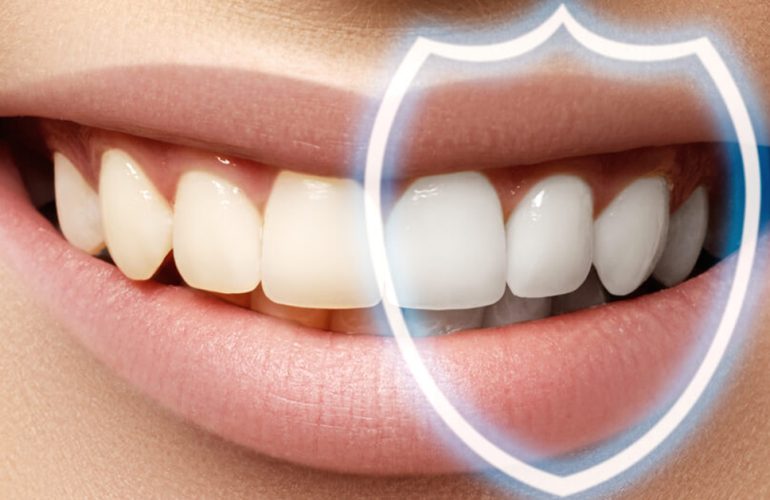
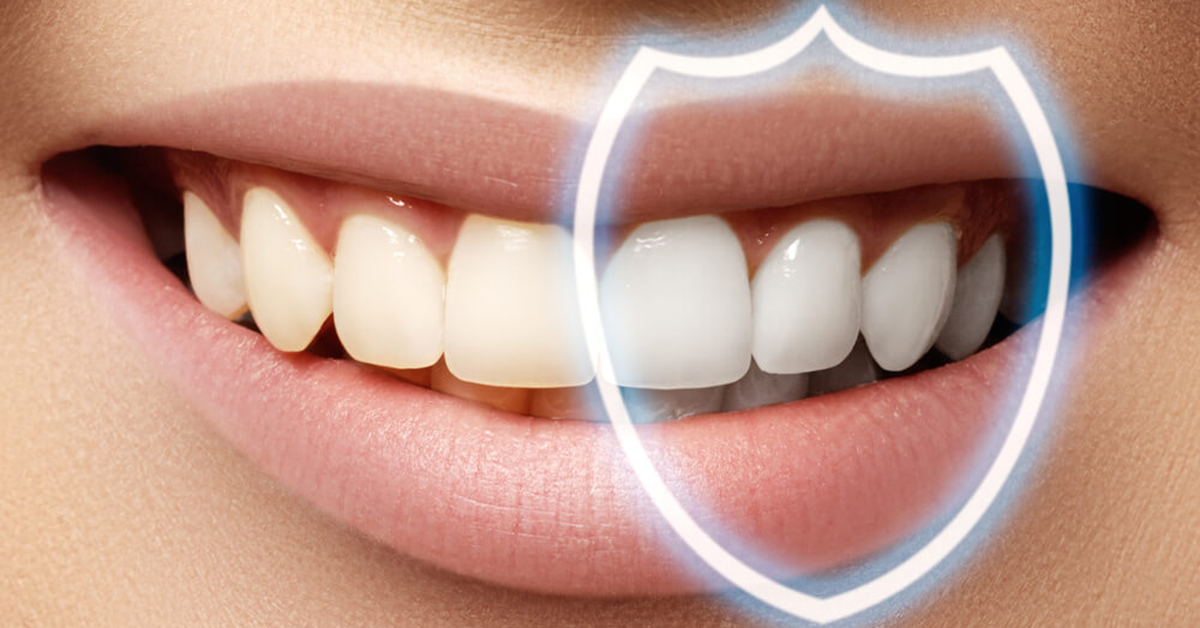
Composite bonding whitening is one of the most common questions people ask once their bonding starts to look a little dull or yellow. The short answer is that whitening gel does not change the colour of composite bonding. It lightens natural enamel, but the resin stays the shade it was made. That is why the order of treatment, the way you clean your teeth and what you eat and drink in the first few days all matter so much.
This guide explains why bonding stains, what can and cannot whiten it, what to do if you want whiter teeth when you already have bonding, and the aftercare that keeps it looking fresh for longer.
Quick answers
- Can you whiten composite bonding? No. Peroxide whitening only lightens natural teeth, not the resin.
- Can stained bonding be fixed? Often, yes. Surface stains can usually be polished off; deeper discolouration needs resurfacing or replacement.
- Want whiter teeth and bonding? Whiten first, wait for the shade to settle, then have the bonding matched.
- Can you eat after composite bonding? Yes, straight away, but avoid strongly coloured food and drink for the first 48 hours.
Composite Bonding Whitening: Can You Whiten Bonding?
Tooth whitening works by letting peroxide pass through the enamel and break down the coloured molecules inside the tooth. Composite resin is a different material: it is a plastic-based matrix filled with fine glass or ceramic particles, and the colour is built into it. Peroxide does not lighten it in the same way.
So if you whiten teeth that already have bonding, the natural parts of your teeth get lighter while the bonded areas stay the same. The result is often a visible mismatch, with the bonding looking darker or more yellow than the teeth around it. This applies to home kits and to professional whitening alike.
What whitening can do is make the surrounding teeth lighter, so that new bonding can then be matched to a brighter shade. That is the basis of the treatment order explained below.
Why Does Composite Bonding Stain?
Composite bonding staining is normal over time, and it is one of the main trade-offs compared with porcelain veneers. There are three main reasons:
- The surface wears. Freshly bonded teeth are polished to a high shine. Brushing, chewing and acidic drinks gradually roughen that surface, and a rougher surface picks up pigment more easily.
- Resin absorbs some colour. Composite is slightly more porous than enamel or porcelain, so strongly coloured food and drink can leave stains on it.
- The edges collect stain. The fine line where bonding meets the natural tooth (the margin) can develop a thin brown or grey line if it is not polished smooth or if the edge starts to wear.
The most common culprits are coffee, tea, red wine, cola, curry and turmeric, tomato-based sauces, berries, and smoking or vaping. Staining is usually most noticeable in people who have several of these every day.
Types of Bonding Stain and How Each One Is Treated
| What you see | Likely cause | Usual fix |
|---|---|---|
| Bonding looks dull or slightly yellow | Surface shine lost; light surface stain | Professional polish |
| Thin dark line at the edge | Margin stain or a worn edge | Polishing, or a small repair to the edge |
| Bonding darker than the rest of the tooth | Teeth whitened after bonding, or deep stain in the resin | Resurfacing with a new layer, or replacement |
| Chips, rough patches, uneven shine | Wear, biting hard objects, grinding | Repair, then polish; consider a night guard |
Free assessment · Polish, repair or replace explained in writing
How to Whiten Composite Bonding: What Actually Works
Because bleaching does not change the resin, “whitening” bonding really means removing the stain from its surface or renewing the material.
1. Professional polishing
A dentist or hygienist uses fine polishing discs, strips and pastes made for composite. This removes surface stain and restores the gloss, and it is often enough to make bonding look close to how it did when it was first placed. Many people have it done at their routine hygiene appointment.
2. Resurfacing
If the stain has gone deeper, the dentist can remove a thin outer layer of the old composite and add a fresh layer on top. This changes the shade and refreshes the surface without redoing the whole tooth.
3. Replacement
When the bonding is heavily discoloured, chipped in several places, or no longer matches teeth that have been whitened, replacing it is usually the cleanest solution. Because bonding is added to the tooth rather than cut into it, the old material can normally be removed and new bonding placed in the shade you want.
How to Whiten Composite Bonding at Home (and What to Avoid)
There is no home product that will bleach composite. What you can do at home is stop new stain building up and avoid damaging the surface.
- Use a low-abrasive toothpaste. A standard fluoride toothpaste is fine. Highly abrasive “whitening” pastes can scratch the resin over time, and a scratched surface stains faster.
- Avoid charcoal powders and baking soda scrubs. They are abrasive and can dull the polish on bonding.
- Don’t rely on over-the-counter whitening kits. In the UK, products sold directly to the public may contain no more than 0.1% hydrogen peroxide, and they will not lighten composite in any case.
- Brush gently with a soft or electric brush and clean between your teeth daily, so plaque does not hold stain around the edges.
- Rinse with water after coffee, tea or red wine if you cannot brush.
Teeth whitening and UK law
In the UK, whitening products with more than 0.1% hydrogen peroxide (up to a legal maximum of 6%) may only be supplied to dental professionals. They can only be used for patients aged 18 and over, after a dental examination, with the first application of each course carried out by a dentist, or by a hygienist or therapist working under a dentist’s prescription. Whitening offered by anyone else, such as beauty salons, is not legal. (Oral Health Foundation)
Want Whiter Teeth? Get the Order Right
If you are planning composite bonding and also want a brighter smile, the order of treatment makes a big difference to the final result.
If you don’t have bonding yet
- Whiten first with dentist-supervised whitening.
- Wait before bonding. The shade can keep shifting for a short time after whitening, and peroxide left in the enamel can weaken the bond. Your dentist will advise how long to wait; a gap of around two weeks is commonly recommended.
- Have the bonding matched to your new, settled shade.
If you already have bonding
- Whiten the natural teeth, accepting that the bonding will look darker for a while.
- Wait for the shade to settle.
- Resurface or replace the bonding to match the lighter teeth.
If you only want the bonding to look fresher and are happy with your natural shade, a polish may be all you need.
Can You Eat After Composite Bonding?
Yes. Composite is hardened with a curing light during the appointment, so you can eat as soon as you leave. If you had a local anaesthetic, wait until the numbness wears off so you don’t bite your lip or cheek.
For the first 48 hours, it is sensible to:
- avoid coffee, tea, red wine, cola, curry and other strongly coloured food and drink, or rinse with water straight after
- avoid smoking
- avoid biting directly into very hard foods (apples, crusty bread, hard sweets) with the bonded edges
Composite Bonding Aftercare: How to Keep It White
- Brush twice a day with a fluoride, low-abrasive toothpaste.
- Clean between your teeth daily with floss or interdental brushes.
- Cut down on staining drinks, or use a straw for iced coffee and similar drinks.
- Don’t use your teeth as tools, and avoid biting nails, pens or ice.
- Wear a night guard if you grind or clench your teeth.
- Book a polish at your regular check-ups or hygiene visits, and tell your dentist or hygienist you have bonding so they use composite-safe polishing products.
With good care, composite bonding typically lasts around 5–7 years before it needs major repair or replacement. If staining is a big concern for you, it is worth reading our comparison of composite bonding vs veneers: porcelain is far more stain-resistant, though it costs more and usually involves removing some enamel. Our guide to the pros and cons of composite bonding covers the other trade-offs.
Replacing Stained Bonding Abroad
Some UK patients with worn or discoloured bonding choose to have it redone as part of a short trip abroad, especially when several teeth are involved. If you are considering this, plan it carefully:
- Send clear photos first so the dentist can tell you whether polishing, resurfacing or replacement is needed.
- If you want whitening as well, ask how it will be scheduled so there is enough time between whitening and bonding.
- Get a written plan with the number of teeth and an itemised quote before booking travel.
- Arrange routine polishing with your dentist at home afterwards.
For typical UK prices, see our guide to composite bonding cost in the UK. You can also read how the treatment works at our clinic in composite bonding in Tirana.
About Zeus Dental Clinic
Zeus Dental Clinic was founded by Dr. Aida Zhupani and is located on Rruga Dritan Hoxha in Tirana, Albania. The clinic provides cosmetic and restorative dentistry, including composite bonding, composite and porcelain veneers, and zirconia crowns.
- Free remote assessment: send photos of your bonding and receive a written opinion and quote.
- Honest recommendations: if a polish is enough, we will tell you.
- Options side by side: bonding, composite veneers and porcelain veneers.
- Opening hours: Monday to Saturday, 09:00–19:00.
Contact us to book a consultation.
Frequently Asked Questions
Does composite bonding whitening work?
No. Whitening gel lightens natural enamel but not composite resin. Stained bonding is improved by polishing, resurfacing or replacement, not bleaching.
How do I whiten composite bonding at home?
You can’t bleach it at home. You can keep it cleaner by brushing gently with a low-abrasive toothpaste, cleaning between your teeth, rinsing after staining drinks and avoiding charcoal or baking soda scrubs.
Does composite bonding stain easily?
It stains more easily than enamel or porcelain, especially in people who drink a lot of coffee, tea or red wine, or who smoke. Regular professional polishing keeps most surface stain under control.
Can I whiten my teeth after composite bonding?
You can, but only your natural teeth will lighten. The bonding will then look darker and usually needs resurfacing or replacing to match.
Can you eat after composite bonding?
Yes, straight away, because the resin is light-cured during the appointment. Avoid strongly coloured food and drink for 48 hours and don’t bite hard foods with the bonded edges.
How do I keep composite bonding white?
Brush twice a day, clean between your teeth, limit staining food and drink, avoid smoking and have the bonding professionally polished at routine check-ups.
Free quote · Fast reply · English spoken
This article is general information and is not a substitute for a dental examination. Whitening suitability, waiting times and the lifespan of bonding vary from patient to patient.