
What happens after tooth extraction matters as much as the extraction itself. The first 24 hours decide whether a healthy blood clot forms in the socket, and that clot is what protects the bone and lets the gum heal. This guide covers how long a tooth extraction takes to do, what to expect on the first night, when you can drink water, eat, rinse or have alcohol, which painkillers to take, a day-by-day healing timeline, and the signs of dry socket or infection that mean you should call your dentist.
The advice below follows NHS patient leaflets on aftercare following extractions. Always follow the specific instructions your own dentist gives you, as they know exactly what was done.
After tooth extraction: the key rules
- Bleeding: bite firmly on a damp gauze or clean cotton handkerchief for 30 minutes
- Eating and drinking: wait a couple of hours (some NHS leaflets say three), then soft food on the other side
- Rinsing: no rinsing or spitting for 24 hours; then warm salt water rinses
- Alcohol and smoking: avoid for at least 24–48 hours
- Painkillers: paracetamol or ibuprofen usually work; avoid aspirin unless prescribed
- Get help if: bleeding won’t stop, pain gets worse after 2–3 days, or swelling spreads
How Long Does a Tooth Extraction Take to Do?
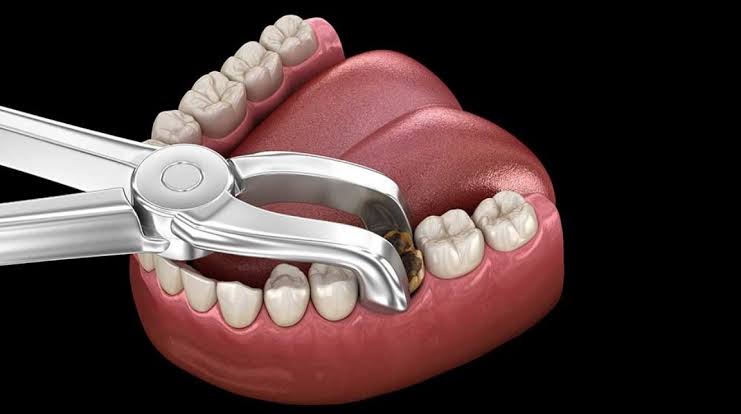
A simple extraction of a visible tooth usually takes only a few minutes once the area is numb. Allowing for the anaesthetic to work and for checking the socket afterwards, the appointment is often around 20–40 minutes. A surgical extraction, such as a broken tooth or an impacted wisdom tooth that needs a small cut in the gum, takes longer and may need stitches.
Healing takes much longer than the procedure. As a general guide, the gum over the socket closes over the first couple of weeks, while the bone underneath continues to fill in and remodel over several months.
First Night After Tooth Extraction
The first night is about protecting the clot. To make it easier:
- Sleep with your head raised on an extra pillow. This helps reduce bleeding and swelling.
- Put an old towel over your pillow, as a little blood-stained saliva overnight is normal.
- Take painkillers before bed if you need them, following the dose on the pack.
- Don’t lie on the side of the extraction if you can avoid it.
- Take gauze out before you sleep so there is no risk of choking.
Oozing (pink saliva) is expected for the first day. Steady bleeding that fills your mouth is not; see the bleeding section below.
How Soon Can I Drink Water After Tooth Extraction?
NHS aftercare leaflets advise avoiding food and drink for the first couple of hours after the extraction; one community dental service suggests three hours. After that you can drink water normally. Drink gently: sip rather than swish, and don’t use a straw for the first day, as the suction can disturb the clot.
Avoid very hot drinks for the rest of the day. If you’re wondering whether you can drink lukewarm tea, it’s generally fine once the numbness has worn off, as long as it is not hot and you don’t swirl it around the socket.
When Can You Eat After Tooth Extraction?
- First few hours: nothing, until the bleeding has settled and the numbness has gone (so you don’t bite your cheek or tongue).
- First 24 hours: soft, cool or lukewarm food such as yoghurt, soup that isn’t hot, mashed potato, scrambled eggs or porridge. Avoid hard food.
- Days 2–7: soft food, chewing on the other side. Avoid crunchy, sharp or seedy foods that can get stuck in the socket.
- After about a week: most people are back to a normal diet, gradually.
Free assessment of your X-ray · Written plan and quote
Why No Ibuprofen After Tooth Extraction? What to Take for Pain
You may have heard that you shouldn’t take ibuprofen after an extraction. In fact, NHS hospital aftercare advice says paracetamol or ibuprofen are usually effective for pain after extractions, as long as you don’t exceed the recommended dose. The cautions are:
- Avoid aspirin for pain relief, because it thins the blood and can restart bleeding. If you take aspirin daily for a heart condition, don’t stop it yourself; tell your dentist before the extraction.
- Don’t take ibuprofen if you have asthma that is made worse by anti-inflammatories, a stomach ulcer, or if your doctor has told you to avoid it.
- Follow your dentist’s advice if they gave you specific instructions, for example because of other medicines you take.
Pain is usually at its worst in the first day or two and then eases steadily. Pain that gets worse after the second or third day is not normal and needs checking (see dry socket below).
Rinsing and Brushing After Tooth Extraction
For the first 24 hours, don’t rinse or spit. Both can dislodge the clot. After 24 hours, NHS leaflets advise rinsing gently with warm salt water (about a teaspoon of salt in a cup or glass of warm water) two to three times a day, especially after meals, for several days.
You can brush your other teeth the evening of the extraction, but keep the brush away from the socket for the first day, and then clean near it gently. Don’t use an alcohol-based mouthwash in the first days unless your dentist recommends one.
I accidentally rinsed my mouth after tooth extraction. What now?
Don’t panic. One gentle rinse does not usually remove a clot. Check the socket in a mirror: if there is a dark red clot and no fresh bleeding, carry on as normal and avoid further rinsing for the rest of the 24 hours. If it starts bleeding again, bite on damp gauze for 30 minutes. If over the next few days the socket looks empty and the pain increases, contact your dentist.
Can I Drink Alcohol 24 Hours After Tooth Extraction?
NHS community dental advice is to avoid alcohol for 24 to 48 hours, as it can interfere with healing and increase the risk of infection. If you were prescribed antibiotics or stronger painkillers, check the leaflet, as some should not be mixed with alcohol at all. By around five days, a drink is usually fine if healing is going well, but small amounts and not swirled around the socket.
Smoking and vaping: the same leaflets advise avoiding smoking for at least 24–48 hours, because it increases the risk of dry socket. The longer you can avoid it, the better.
Tooth Extraction Healing: Day by Day
| When | What is normal | What to do |
|---|---|---|
| Day 1 | Oozing, numbness wearing off, soreness | Rest, no rinsing, no smoking or alcohol, soft food |
| Days 2–3 | Swelling and jaw stiffness often peak; pain starts to ease | Start salt water rinses; keep to soft food |
| Days 4–7 | Swelling goes down; a white or yellowish layer may cover the socket | Carry on rinsing; slowly reintroduce normal food |
| Weeks 1–2 | Gum closes over; stitches dissolve or are removed | Normal brushing; keep the area clean |
| Months | Bone fills in and reshapes under the gum | Plan how to replace the tooth, if needed |
The white stuff in the socket after a few days is usually granulation tissue, a normal part of healing. It is soft and creamy-white and is not a cause for concern on its own. Pus, a foul taste or increasing pain are different and can signal infection.
Swelling, Headache and Jaw Discomfort
Facial swelling after extraction is common, especially after lower molars or surgical extractions, and usually peaks around day two or three before going down. A cold compress on the cheek for short periods during the first day can help. Jaw stiffness, a dull headache or aching in the surrounding teeth are also common for a few days, particularly after a long or difficult extraction, and usually settle with ordinary painkillers.
When should you worry about swelling? If it keeps getting bigger after day three, spreads towards your eye or neck, makes it hard to swallow or breathe, or comes with a fever, get urgent help.
Dry Socket: Symptoms and How Long It Lasts
Dry socket happens when the blood clot breaks down or is lost too early, leaving the bone exposed. Typical signs are:
- pain that gets worse around two to four days after the extraction, often spreading to the ear
- a socket that looks empty, without the dark clot
- a bad taste or smell
Dry socket is not usually an infection, but it is very painful and needs your dentist. They can clean the socket and place a soothing dressing, which usually brings relief quickly. With treatment, it typically settles over about a week to ten days. Smoking, a difficult extraction and disturbing the clot (rinsing, spitting, straws) all increase the risk.
Blood clot fell out 3 days after tooth extraction? If you have no increase in pain, the socket may simply be healing with granulation tissue. If the pain is getting worse, contact your dentist, as this is the classic timing for dry socket.
Infection After Tooth Extraction: Signs to Look Out For
- swelling that increases after the first two to three days
- pus or discharge from the socket
- a persistent foul taste
- fever or feeling generally unwell
- pain that doesn’t respond to painkillers
Infection after molar removal is more likely when the tooth was already infected or the extraction was surgical. Don’t try to treat it yourself; your dentist may need to clean the area and may prescribe antibiotics.
Bleeding After Tooth Extraction: How to Stop It
- Sit upright and stay calm.
- Roll up a piece of damp gauze or a clean cotton handkerchief (not tissue) and place it directly over the socket.
- Bite down firmly for 30 minutes without checking it.
- Repeat once if needed.
If bleeding is heavy or doesn’t stop, contact your dentist, or call NHS 111 out of hours. Go to A&E for uncontrolled bleeding, severe facial swelling, difficulty breathing or swallowing, or if you feel very unwell.
Can You Drive After Tooth Extraction?
After a standard extraction under local anaesthetic, most people can drive home if they feel well. If you had sedation, you must not drive for at least 24 hours and should have someone with you. Ask your dentist if you’re unsure.
After Healing: Replacing the Missing Tooth
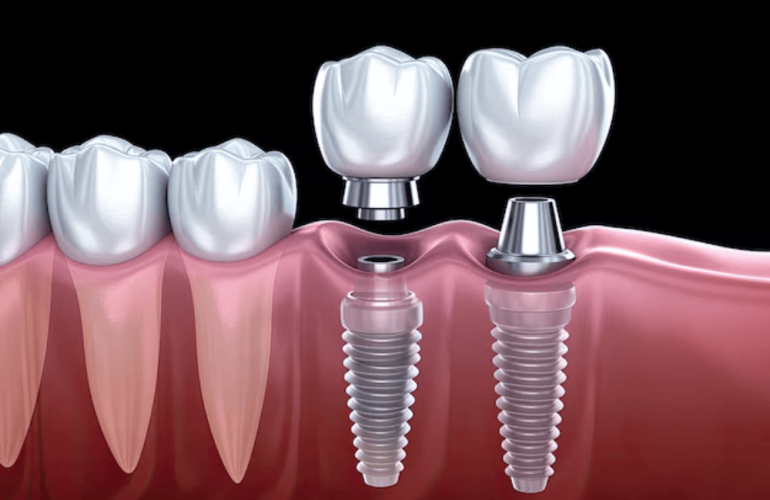
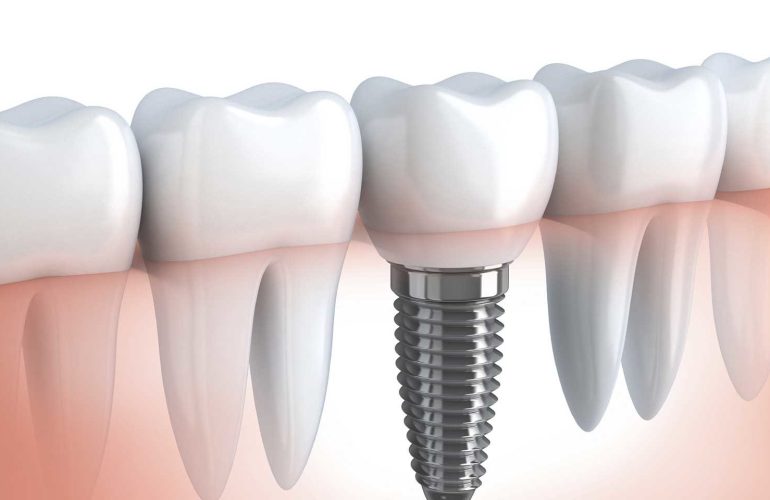
For wisdom teeth, the extraction is usually the end of the story. For other teeth, the gap often needs filling: neighbouring teeth can drift and the bone shrinks over time. The main options are a dental implant, a bridge or a partial denture. If you’re considering an implant, see how long a dental implant takes, and if you are comparing prices, our guide to tooth extraction cost in the UK also covers what comes next. You can read whether you qualify for dental implants on the NHS.
About Zeus Dental Clinic

Zeus Dental Clinic was founded by Dr. Aida Zhupani and is located on Rruga Dritan Hoxha in Tirana, Albania. The clinic provides extractions, dental implants (including All-on-4, All-on-6 and All-on-8), zirconia crowns and cosmetic dentistry.
- Free remote assessment: send your X-ray and receive a written plan and quote for replacing the tooth.
- Honest advice: for a single extraction, we’ll tell you it is usually better done at home.
- Opening hours: Monday to Saturday, 09:00–19:00.
Contact us to book a consultation.
Frequently Asked Questions
How long does a tooth extraction take to do?
A simple extraction often takes only a few minutes once you are numb; the appointment is commonly 20–40 minutes. Surgical extractions take longer.
How soon can I drink water after a tooth extraction?
NHS leaflets advise waiting a couple of hours (some say three) before eating or drinking. After that, sip water normally without a straw and avoid swishing.
Can I take ibuprofen after a tooth extraction?
Usually yes. NHS hospital advice says paracetamol or ibuprofen are usually effective. Avoid aspirin, and don’t take ibuprofen if you have asthma made worse by it, a stomach ulcer or your doctor has told you not to.
Can I drink alcohol 24 hours after a tooth extraction?
It’s best to wait at least 24–48 hours, and longer if you are taking antibiotics or prescribed painkillers that shouldn’t be mixed with alcohol.
How long does a dry socket last?
With treatment from your dentist, dry socket usually settles over about a week to ten days. Pain often eases quickly once the socket is cleaned and dressed.
What is the white stuff in my extraction socket?
Usually granulation tissue, which is a normal part of healing. Pus, a foul taste or increasing pain are not normal and should be checked.
Free quote · Fast reply · English spoken
This article is general information and is not a substitute for advice from your own dentist. If you are worried after an extraction, contact your dentist or NHS 111. Aftercare advice is based on NHS patient leaflets from Kent Community Health NHS Foundation Trust and Liverpool University Hospitals NHS Foundation Trust.