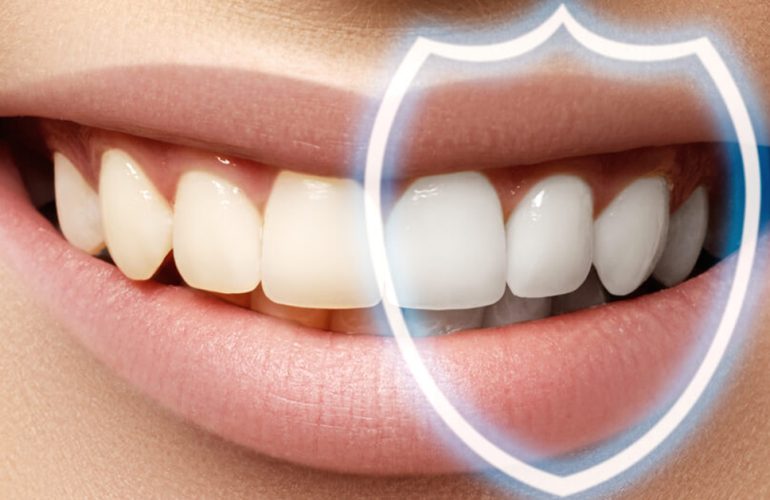
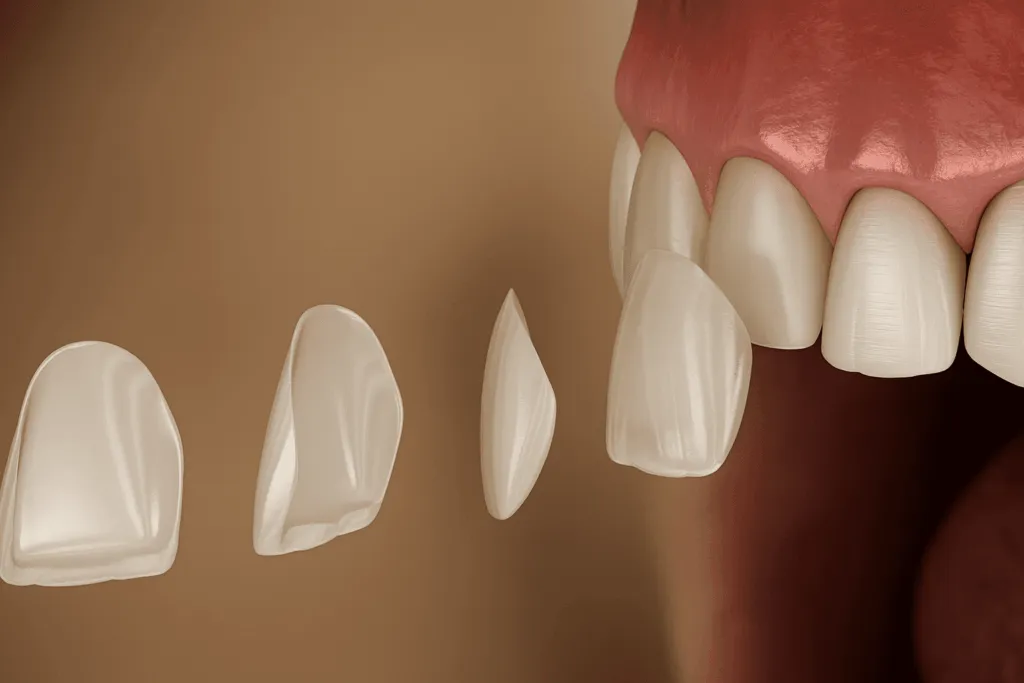
E.max veneers (often written “emax veneers”) are one of the most requested cosmetic treatments in the UK, and one of the most searched. They’re thin porcelain shells bonded to the front of your teeth to change their colour, shape or alignment. People choose them because, done well, they look natural and last for many years.
This guide explains what e.max veneers are made of, how they compare with composite and other porcelain veneers, what they cost in the UK, how long they last, and what to check if you’re comparing a UK quote with treatment abroad. We’re Zeus Dental Clinic in Tirana, Albania, and we’ll be clear about the trade-offs as well as the benefits.
E.max Veneers at a Glance
- What they are: veneers made from lithium disilicate glass-ceramic, a strong, translucent type of porcelain. “IPS e.max” is the brand name of the material, made by Ivoclar.
- UK private cost: commonly around £550–£1,000 per tooth, and £700–£1,200 or more in London.
- Lifespan: typically 10–15 years or longer with good care.
- Preparation: usually a thin layer of enamel is removed, so the treatment is not reversible.
- NHS: veneers for cosmetic reasons are not available on the NHS.
💬 Get a Free Veneers Assessment
Send smile photos · Written plan before you travel · Fast reply
What Are E.max Veneers?
E.max veneers are made from lithium disilicate, a glass-ceramic that combines strength with translucency. That combination is the main reason they’re popular: they let light pass through in a way that resembles natural enamel, while being tougher than traditional feldspathic porcelain.
They’re usually made in a dental laboratory, either pressed or milled from a block using a digital design, and then bonded to the prepared tooth with a resin cement. Because the material is strong, veneers can be made thin, which means less of your natural tooth needs to be removed than with a crown.
Who they suit
E.max veneers are generally considered for:
- discoloured teeth that don’t respond to whitening;
- chipped, worn or uneven front teeth;
- small gaps or mild crowding, where orthodontics isn’t wanted;
- patients who want a long-lasting cosmetic result.
Who they may not suit
- people with active gum disease or decay, which must be treated first;
- heavy teeth grinders (bruxism) without a night guard;
- severely crooked teeth, where orthodontic treatment may be the better first step;
- anyone who wants a fully reversible option. Composite bonding may suit them better.
E.max vs Composite vs Other Porcelain Veneers
| E.max (lithium disilicate) | Traditional porcelain | Composite veneers | |
|---|---|---|---|
| Appearance | Very natural, translucent | Very natural | Good; can stain over time |
| Strength | High | Moderate | Lower; can chip |
| Typical lifespan | 10–15+ years | 10–15 years | About 5–8 years |
| Tooth preparation | Minimal to moderate | Moderate | Little or none |
| Reversible? | No | No | Often, largely |
| UK price per tooth | ~£550–£1,000 | ~£500–£1,200 | ~£150–£400 |
UK price ranges are typical private fees outside London, from DentistCost UK (2026). Your own quote will depend on the clinic and your case.
If you’re still deciding between materials, our guides to composite vs porcelain veneers and composite bonding vs veneers go into more detail.
How Much Do Emax Veneers Cost in the UK?
Private fees vary a lot by region and clinic. As a guide, e.max veneers commonly cost about £550–£1,000 per tooth outside London, and London clinics often quote £700–£1,200 or more. Veneers for purely cosmetic reasons aren’t available on the NHS.
Most people don’t have a single veneer. A typical “smile makeover” covers 6 to 10 upper teeth, sometimes plus the lower front teeth. At £550–£1,000 per tooth, that’s roughly £3,300–£10,000 for 6 to 10 veneers, before any preparatory treatment.
What can add to the price:
- treatment of gum disease or decay before veneers;
- teeth whitening, so untreated teeth match the veneers;
- a digital smile design or trial “mock-up”;
- a night guard if you grind your teeth.
💬 Compare Your UK Veneers Quote
Send your UK plan · We reply with an itemised quote
The Treatment Process, Step by Step
- Consultation and planning. The dentist checks your teeth and gums, takes photos and X-rays, and discusses the shape and shade you want. Many clinics use digital smile design to preview the result.
- Preparation. A thin layer of enamel is usually removed from the front of each tooth so the veneer sits naturally. This step is permanent.
- Scan or impressions. A digital scan or impressions are sent to the laboratory.
- Temporary veneers. You wear temporaries while the final veneers are made, often for several days.
- Try-in and bonding. The final veneers are checked for fit, shape and shade, then bonded with resin cement and polished.
For patients travelling from the UK, the whole process can often be completed in one trip of around a week, depending on the number of teeth and the laboratory’s timing. If any gum or decay treatment is needed first, a longer stay or a second visit may be necessary. We’ll tell you which applies to you before you book.

How Long Do E.max Veneers Last?
With good care, e.max veneers typically last 10–15 years or longer. What shortens their life:
- Grinding or clenching: wear a night guard if your dentist recommends one.
- Biting hard objects: ice, pen tops, opening packets with your teeth.
- Gum disease or decay at the edges of the veneers: brush twice a day, floss or use interdental brushes, and keep up with hygienist visits.
Porcelain doesn’t stain like composite, but the bonding edges and your natural teeth can. A veneer that chips can sometimes be repaired, but often it needs replacing.
Pros and Cons of E.max Veneers
Advantages
- Natural-looking translucency and shade
- Strong and resistant to staining
- Long lifespan with good care
- Usually less tooth preparation than crowns
Disadvantages
- Irreversible once enamel is removed
- Higher cost than composite
- Will eventually need replacing
- Possible temporary sensitivity after preparation
Getting Veneers Abroad: What to Check
Veneers are one of the treatments UK patients most often compare abroad. Because they’re irreversible, the quality of planning matters more than the price. Before you book anywhere, ask:
- Which ceramic will be used? If you’re paying for e.max, ask for the material to be named on your treatment plan.
- How much tooth will be removed, and why? Be cautious of offers that involve heavily reducing healthy teeth, or fitting full crowns where veneers would do.
- Will I see a preview (digital design or mock-up) before any teeth are prepared?
- How many teeth are really needed? A good dentist may suggest fewer veneers, or whitening and bonding instead.
- What happens if one chips after I get home?
If safety is your main concern, our guide Is Albania safe for dental treatment? explains how to check any clinic before you travel. Albania is around three hours from several UK airports, which makes a follow-up visit more practical than with long-haul destinations.

Our honest advice: if you only need a small change, composite bonding or whitening may be enough, and they keep more of your natural teeth. We’ll tell you if that’s the case.
About Zeus Dental Clinic
Zeus Dental Clinic was founded by Dr. Aida Zhupani and is located on Rruga Dritan Hoxha in Tirana, Albania. Most of our patients come to us on the recommendation of someone we’ve already treated.
- Free remote assessment: send smile photos and receive a written plan and itemised quote before you travel.
- Materials named in writing: the ceramic and the number of veneers are stated on your plan.
- Cosmetic options side by side: porcelain veneers, composite veneers and composite bonding, so you get the option that fits your case.
- Open six days a week: Monday to Saturday, 09:00–19:00.
Read about dental tourism in Albania, our clinic, or contact us.
Frequently Asked Questions
What are e.max veneers made of?
Lithium disilicate glass-ceramic, a strong and translucent type of porcelain. IPS e.max is the brand name of the material, made by Ivoclar.
How much do emax veneers cost in the UK?
Commonly about £550–£1,000 per tooth outside London, and £700–£1,200 or more in London. A full smile of 6 to 10 veneers therefore often costs several thousand pounds.
How long do e.max veneers last?
Typically 10–15 years or longer with good oral hygiene, regular check-ups and a night guard if you grind your teeth.
Do e.max veneers ruin your teeth?
They usually need a thin layer of enamel removed, which is permanent, so the teeth will always need a covering afterwards. Done properly, the preparation is kept to a minimum. Be wary of any plan that heavily reduces healthy teeth.
Can you get veneers on the NHS?
Not for cosmetic reasons. The NHS covers treatment that is clinically necessary, such as fillings or crowns for damaged teeth.
How long do I need to stay in Albania for veneers?
Often around a week in one trip, depending on the number of veneers and whether any preparatory treatment is needed. We confirm the timeline in your written plan.
💬 Contact Zeus Dental Clinic on WhatsApp
Free quote · Fast reply · English spoken
This article is general information and isn’t a substitute for a dental examination. UK prices are typical ranges and change over time.