
Tooth pain after a filling is common and, in most cases, it settles on its own within a few days. Drilling, cleaning out decay and placing the filling all irritate the tooth and the gum around it, and the deeper the filling, the more likely the tooth is to feel sensitive afterwards. The University of Bristol Dental School’s patient information says sensitivity after a white filling should not last more than two weeks.
This guide explains the different kinds of pain after a filling, what usually causes each one, how long it should last, why a filling can start to hurt months later, and the signs that mean you should go back to your dentist.
Is my pain after a filling normal?
- Usually normal: brief sensitivity to cold, hot or sweet; a sore gum; mild jaw ache for a day or two
- Usually needs a quick fix: pain when biting, or a bite that feels “high”
- See your dentist: sensitivity lasting more than two weeks, throbbing pain, pain that wakes you up or lingers after hot or cold
- Get urgent help: facial swelling, fever or a bad taste, which can signal infection
Sensitivity After a Filling
A short, sharp twinge with cold drinks, hot drinks, sweet food or cold air is the most common reaction after a filling. It happens because the tooth’s nerve has been disturbed by the treatment, and it is more likely after a deep filling close to the nerve. According to Healthline, this kind of sensitivity usually eases within one to three days, although it can take longer in some cases.
What helps:
- a toothpaste for sensitive teeth, brushed on gently twice a day;
- avoiding very hot, very cold or very sugary food and drinks for a few days;
- chewing on the other side until it settles.
If sensitivity is still there after about two weeks, or is getting worse rather than better, tell your dentist.
Pain When Biting After a Filling: Is the Filling Too High?
If the tooth hurts when you bite down, or your teeth don’t seem to meet as they used to, the filling may be slightly too high. This is easy to miss while your mouth is numb. A high filling takes the force of every bite, which can make the tooth and even the jaw ache.
Will a high filling fix itself? Usually not. It may wear a little, but in the meantime it keeps stressing the tooth. Go back to your dentist: smoothing the filling down takes only a few minutes and usually solves the pain quickly.
Throbbing Tooth Pain After a Filling
A dull, throbbing ache, or pain that lingers for a while after a hot or cold drink, suggests that the nerve inside the tooth is inflamed. After a deep filling, mild inflammation can settle over days or weeks. But pain that is getting stronger, throbs on its own, or wakes you at night may mean the nerve is not recovering. In that case the tooth may need root canal treatment, so see your dentist rather than waiting.
Jaw Ache After a Filling
An aching jaw after a filling is common and usually comes from keeping your mouth open for a long time, or from the anaesthetic injection site. It normally settles within a day or two. Warm compresses, soft food and ordinary painkillers can help. If jaw pain continues, or comes with pain when biting on the new filling, a high bite is a likely cause.
Free assessment · Crown or onlay options explained in writing
Why Does My Tooth Filling Hurt After Months?

Pain that starts months after a filling that had felt fine usually has a different cause from early sensitivity. Common reasons include:
- New decay around or under the edge of the filling.
- A cracked tooth or cracked filling, which often causes a sharp pain when biting or releasing the bite.
- A worn or leaking filling that lets bacteria in.
- Nerve problems in a tooth that had a deep filling, which may need root canal treatment.
- Grinding or clenching, which overloads filled teeth.
None of these get better on their own, so book a check-up. A dentist will usually examine the tooth and take an X-ray to find the cause.
Filling Fell Out or Broke: What to Do
- Keep the area clean and brush gently.
- Avoid chewing on that side and avoid very hot, cold or sweet food.
- A temporary filling kit from a pharmacy can cover the hole for a short time, but it is not a repair.
- Contact your dentist as soon as you can; if you are in pain and cannot reach one, call NHS 111.
When a Filling Is No Longer Enough
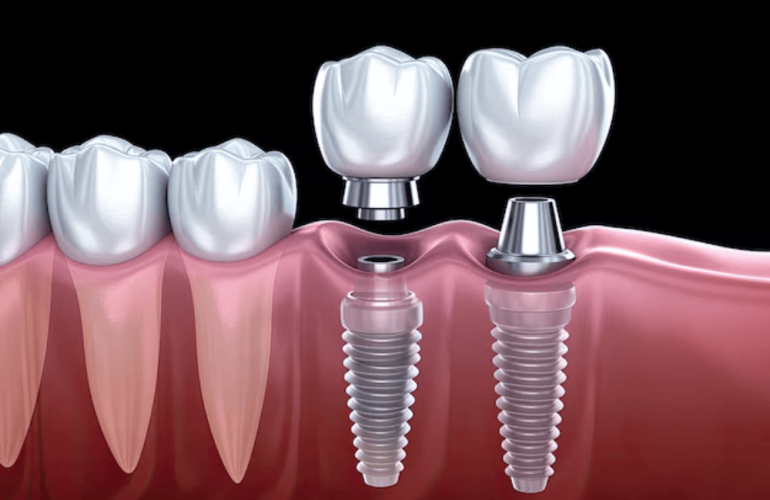
A tooth with a large filling that keeps breaking or hurting is often weakened. In that situation a dentist may recommend a crown or onlay, which covers and protects the remaining tooth, or root canal treatment if the nerve is affected. If the tooth cannot be saved, the options for replacing it include an implant or a bridge; see how long a dental implant takes and tooth extraction cost in the UK. For eating and aftercare in the first days after a filling, read when can you eat after a filling.
About Zeus Dental Clinic
Zeus Dental Clinic was founded by Dr. Aida Zhupani and is located on Rruga Dritan Hoxha in Tirana, Albania. The clinic provides zirconia crowns, composite bonding, composite and porcelain veneers, and dental implants, including All-on-4, All-on-6 and All-on-8.
- Free remote assessment: send your X-ray and receive a written opinion and quote.
- Honest advice: for new pain after a filling, see your local dentist first; we can help when several teeth need crowns or replacing.
- Opening hours: Monday to Saturday, 09:00–19:00.
Contact us to book a consultation.
Frequently Asked Questions
How long should a tooth hurt after a filling?
Mild sensitivity usually eases within a few days. It should not last more than about two weeks; if it does, or gets worse, see your dentist.
Why does my tooth hurt when I bite after a filling?
The most common reason is a filling that is slightly too high. Your dentist can adjust it in a few minutes.
Why is my tooth throbbing after a filling?
Throbbing usually means the nerve is inflamed, which is more likely after a deep filling. If it is getting worse or wakes you at night, see your dentist, as the tooth may need root canal treatment.
Why does my jaw hurt after a filling?
Usually from holding your mouth open or from the injection, and it settles in a day or two. If it continues, a high filling may be the cause.
Why does my filling hurt months later?
Common causes are new decay, a crack in the tooth or filling, a worn filling, or a nerve problem. Book a check-up so the cause can be found.
Will a high filling fix itself?
Not reliably. It keeps overloading the tooth, so it is better to have it adjusted, which is quick and simple.
Free quote · Fast reply · English spoken
This article is general information and is not a substitute for advice from your own dentist. If you have severe pain or swelling, contact your dentist or NHS 111. Sources: University of Bristol Dental School, composite white fillings patient information; Healthline, eating and sensitivity after a filling.