
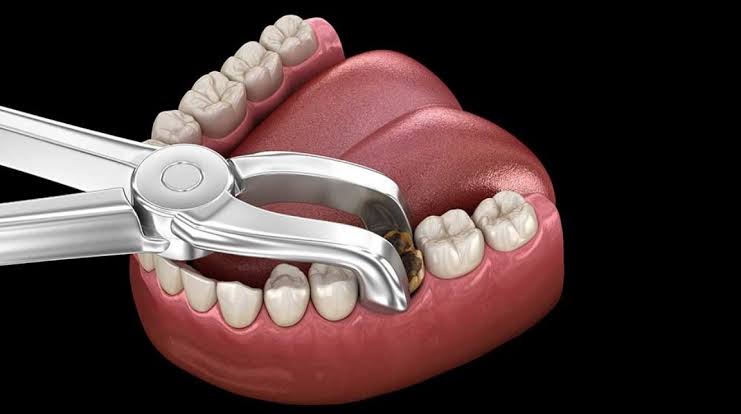
If a tooth needs to come out, the next question is usually what it will cost. The answer depends on whether you go NHS or private, how difficult the extraction is, and where in the UK you live. It also depends on something people often forget to ask about: what you’ll do about the gap afterwards.
This guide sets out what a tooth extraction costs in the UK in 2026, what affects the price, what to expect on the day and in the first few days, and your options for replacing the tooth. We’re Zeus Dental Clinic in Tirana, Albania, and many of our UK patients come to us at exactly this point, so we’ll also explain where an extraction fits into implant planning.
Tooth Extraction Cost UK: The Short Answer
- NHS (England): £76.60 under Band 2 from 1 April 2026. This covers all the extractions you need in one course of treatment, plus the examination and X-rays.
- Private, simple extraction: commonly around £150–£300 per tooth.
- Private, surgical extraction: commonly around £250–£600.
- Wisdom teeth: commonly around £200–£400 privately, or £300–£700 if impacted. Complex cases may be referred to an NHS hospital.
- London: private prices are often noticeably higher.
💬 Planning What Comes After? Send Your X-ray
Free assessment · Written plan before you travel · Fast reply
How Much Is a Tooth Extraction in the UK?
| Type of extraction | NHS (England) | Private (typical UK range) |
|---|---|---|
| Simple extraction | £76.60 (Band 2) | £150–£300 |
| Surgical extraction | £76.60, or hospital referral if complex | £250–£600 |
| Wisdom tooth (erupted) | £76.60 (Band 2) | £200–£400 |
| Wisdom tooth (impacted) | Hospital referral in complex cases | £300–£700 |
| IV sedation (add-on) | Only where clinically needed | +£300–£600 |
| Urgent appointment only | £27.90 (urgent care) | Varies by practice |
NHS charges: NHS England dental charges from 1 April 2026. Private ranges: DentistCost UK (2026). Charges differ in Scotland, Wales and Northern Ireland.
Why the NHS price is so much lower
On the NHS in England you pay one Band 2 charge for a whole course of treatment, however many teeth are removed in it. The catch is access: in some areas it can be hard to find an NHS dentist taking on new adult patients, which is why many people end up paying privately, especially when they’re in pain.
What Affects the Cost to Extract a Tooth?
- Simple vs surgical. A simple extraction removes a visible tooth with instruments. A surgical extraction is needed when the tooth is broken at the gum line, has curved roots or is impacted, and may involve a small cut in the gum or removing some bone.
- Which tooth. Front teeth usually have a single root. Molars have two or three, and lower wisdom teeth are often the most complex.
- X-rays and scans. Most extractions need an X-ray. Complex wisdom teeth may need a 3D scan to check how close the roots are to the nerve.
- Sedation. Local anaesthetic is standard. IV sedation for anxious patients is extra privately.
- Location. Private fees in London are typically higher than elsewhere.
Wisdom Tooth Removal: NHS or Private?
Wisdom teeth that cause no problems don’t usually need removing. Removal is generally advised when they cause repeated infection, decay, damage to the neighbouring tooth, cysts or other problems. Your dentist will decide whether the extraction can be done in the practice or whether you need a referral to a hospital oral surgery department, which is common for deeply impacted lower wisdom teeth.
If you go private, ask whether the quote includes the X-ray or scan, any sedation and the follow-up check.

What to Expect on the Day and the First Night
A simple extraction usually takes well under an hour, including numbing. You’ll feel pressure but shouldn’t feel sharp pain. Afterwards a blood clot forms in the socket, and protecting it is the most important part of recovery.
First night after a tooth extraction
- Keep firm pressure on the gauze for the time your dentist advises.
- Avoid rinsing, spitting hard or using a straw for the first day, so the clot isn’t dislodged.
- Don’t smoke or vape. It raises the risk of a painful dry socket.
- Sleep with your head slightly raised and avoid hot drinks and alcohol.
- Eat soft, lukewarm food on the other side of your mouth.
Follow your own dentist’s instructions on pain relief and rinsing, as they may differ depending on your health and the type of extraction. Contact a dentist if bleeding doesn’t settle, pain gets worse after two or three days, or you notice swelling, fever or a bad taste. These can be signs of dry socket or infection.
💬 Ask About Replacing the Tooth
Implant, bridge or denture: we’ll explain the options for your case
After the Extraction: Should You Replace the Tooth?
Not every missing tooth has to be replaced. A wisdom tooth, for example, usually doesn’t. But when a front tooth or a chewing tooth is removed, leaving the gap can have knock-on effects over time:
- neighbouring teeth can drift or tilt into the space;
- the opposing tooth can over-erupt;
- the jawbone where the tooth was gradually shrinks;
- chewing can shift to the other side of the mouth.
Your options are:
| Option | On the NHS? | Good to know |
|---|---|---|
| Leave the gap | — | Fine for some teeth; ask your dentist about drifting and bone loss |
| Denture | Yes, Band 3 (£332.10) | Removable and affordable; can move when eating |
| Bridge | Yes, Band 3 (£332.10) | Fixed; usually means shaping the neighbouring teeth |
| Dental implant | Only in rare cases | Replaces the root, doesn’t touch other teeth, helps preserve bone |
For more detail, read can you get dental implants on the NHS? and our comparison of dental implants vs bridges.
When can an implant go in after an extraction?
It depends on the tooth and the bone. Sometimes an implant can be placed at the same appointment as the extraction (an immediate implant). More often the socket is left to heal first, usually for a few months. If the bone has shrunk, a bone graft may be needed. If you’re thinking about an implant, tell your dentist before the extraction: the way the tooth is removed and the socket is managed can make the implant easier later.
Planning an Implant Abroad After an Extraction
Many UK patients come to us after an extraction has left them facing a private implant quote. If that’s you, a few practical points:
- Send us your X-ray first. We can tell you whether you’ll need a bone graft and roughly when an implant could go in.
- If the tooth hasn’t been removed yet, it’s often simpler to do the extraction and implant planning together, so the socket is managed with the implant in mind.
- Two visits are usual: one for the implant and one, a few months later, for the final crown. In some cases immediate load implants are possible.
- Compare like with like. See what affects the price in our dental implants Albania cost guide, and how Albania compares in Turkey vs Albania for dental implants.

Our honest advice: if you need a single, simple extraction, have it done locally. It’s quick and, on the NHS, inexpensive. Travelling makes sense when you’re planning implants or more extensive treatment.
About Zeus Dental Clinic
Zeus Dental Clinic was founded by Dr. Aida Zhupani and is located on Rruga Dritan Hoxha in Tirana, Albania. Most of our patients come to us on the recommendation of someone we’ve already treated.
- Free remote assessment: a written treatment plan and itemised quote before you travel.
- Extraction and implant planning together, so the socket is prepared with the final result in mind.
- Implants to full-arch treatment: single implants, bridges, All-on-4, All-on-6 and All-on-8.
- Open six days a week: Monday to Saturday, 09:00–19:00.
Read more about dental implants in Albania, our clinic, or contact us.
Frequently Asked Questions
How much is a tooth extraction on the NHS?
In England it’s a Band 2 treatment, costing £76.60 from 1 April 2026. That covers all extractions needed within one course of treatment. Charges differ in Scotland, Wales and Northern Ireland.
How much does it cost to have a tooth removed privately?
Commonly around £150–£300 for a simple extraction and £250–£600 for a surgical one, with higher prices in London. Sedation is extra.
How much is wisdom tooth removal in the UK?
Privately, commonly £200–£400 for a straightforward wisdom tooth and £300–£700 if it’s impacted. On the NHS it’s covered by Band 2 at a dental practice, or by a hospital referral for complex cases.
How long does a tooth extraction take?
A simple extraction usually takes well under an hour including numbing. Surgical and wisdom tooth extractions can take longer.
How soon after an extraction can I get an implant?
Sometimes at the same appointment, but more often after the socket has healed for a few months. A bone graft may be needed if the bone has shrunk. Your dentist will decide based on an X-ray or 3D scan.
Do I need to replace an extracted tooth?
Not always. Wisdom teeth usually don’t need replacing. For other teeth, a gap can lead to drifting teeth and bone loss over time, so it’s worth discussing a denture, bridge or implant with your dentist.
💬 Contact Zeus Dental Clinic on WhatsApp
Free quote · Fast reply · English spoken
This article is general information and isn’t a substitute for a dental examination. If you’re in pain or have swelling, contact a dentist or call NHS 111. Prices are typical ranges and change over time.