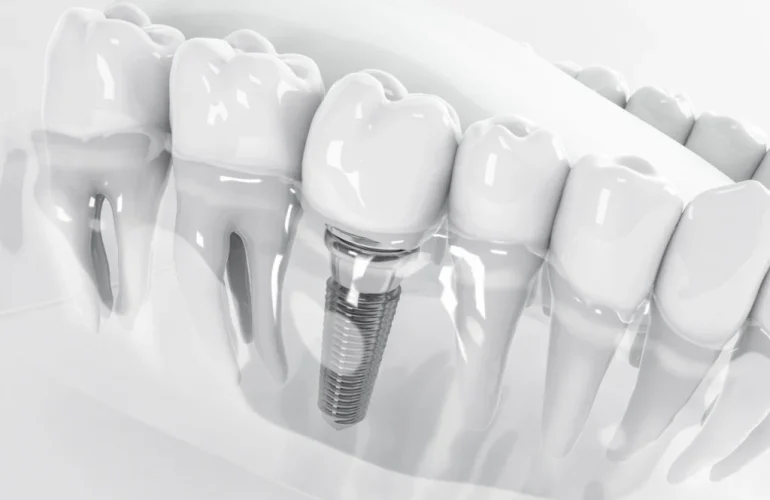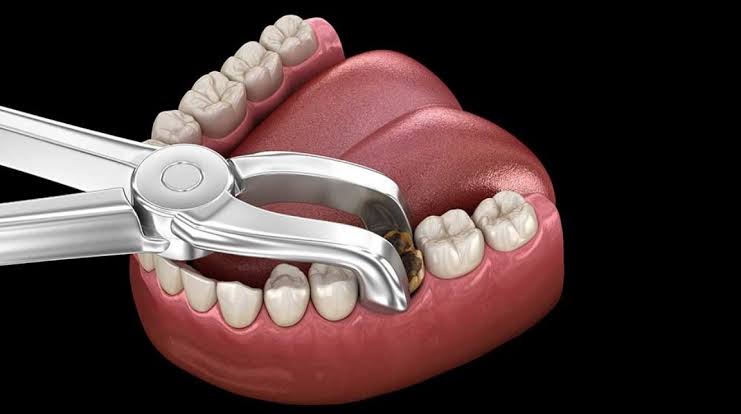
If you’ve lost a tooth, or been told one needs to come out, the first question is often simple: can I get a dental implant on the NHS? For almost everyone the answer is no. The NHS does provide implants, but only in a small number of serious clinical situations, and always through a hospital rather than a high-street dentist.
This guide explains exactly when the NHS does provide implants, what the NHS offers instead, what implants cost privately in the UK, and what your options are if you want an implant but don’t qualify. We’re Zeus Dental Clinic in Tirana, Albania, and many of our patients come from the UK, so we’ll also be honest about when treatment abroad makes sense and when it doesn’t.
The Short Answer
- Dental implants are usually only available privately in the UK.
- The NHS provides them only in rare cases, for example after mouth cancer or a serious accident, or when a patient cannot wear dentures for a clinical reason.
- These decisions are made by NHS hospital consultants, and treatment happens in hospital. Your dentist can refer you, but can’t place NHS implants in their practice.
- What the NHS does offer for missing teeth is dentures or bridges, charged at Band 3 in England: £332.10 from 1 April 2026.
- Private implants in the UK commonly cost £2,000–£3,000 or more per tooth once the crown is included.
Send your X-ray · Written plan before you travel · Fast reply
When Can You Get Dental Implants on the NHS?
The NHS website puts it plainly: implants are usually only available privately and are expensive, although they are sometimes available on the NHS for patients who cannot wear dentures for certain reasons, such as mouth cancer or an accident (NHS: Dental treatments).
In practice, the situations where NHS implant treatment is considered usually include:
- Reconstruction after head and neck cancer, where surgery or radiotherapy has removed teeth or bone.
- Serious facial or dental trauma, such as a major accident.
- Some developmental conditions, for example teeth that never formed or a cleft lip and palate, where other options won’t work.
- Patients who physically cannot wear or tolerate dentures for a documented clinical reason.
Even in these groups, implants aren’t automatic. Each case is assessed individually, and funding and waiting times vary between areas.
How the referral works
Decisions about NHS implants are made by consultants in NHS hospitals, and the treatment is carried out there. If you think you might qualify, the route is:
- Speak to your NHS dentist (or GP, if the cause is medical).
- If they agree you may meet the criteria, they refer you to a hospital restorative dentistry or oral and maxillofacial department.
- A consultant assesses you and decides whether implants are appropriate and can be funded.
If your only reason is that a tooth is missing and you’d prefer an implant to a denture or bridge, you’re very unlikely to qualify.
What the NHS Offers Instead
For most people with missing teeth, the NHS options are:
- Dentures (partial or full), removable plates that replace one or more teeth.
- Bridges, a false tooth fixed to the teeth on either side of the gap. This usually means shaping those neighbouring teeth.
In England, both fall under Band 3. From 1 April 2026 the charges are:
| NHS band (England) | Charge from 1 April 2026 | What it covers |
|---|---|---|
| Band 1 | £27.90 | Examination, X-rays, advice, scale and polish if needed |
| Band 2 | £76.60 | Band 1, plus fillings, root canal treatment, extractions |
| Band 3 | £332.10 | Bands 1 and 2, plus crowns, dentures and bridges |
Charges are different in Scotland, Wales and Northern Ireland, and some people are exempt (for example, under-18s and people receiving certain benefits). Finding an NHS dentist who is taking on new adult patients can also be difficult in some parts of the country.
Dentures and bridges vs implants
Dentures and bridges are proven, affordable options, and for many people they’re the right choice. The trade-offs are:
- Dentures can move when you eat or speak, especially a lower denture, and they don’t stop the jawbone from shrinking where teeth are missing.
- Bridges are fixed and look natural, but they rely on the neighbouring teeth, which usually have to be filed down to hold the bridge.
- Implants replace the tooth root, don’t need the neighbouring teeth, and help preserve the bone. They cost more and involve minor surgery and healing time.
For a detailed comparison, read our guide to dental implants vs dental bridges.
What Do Private Dental Implants Cost in the UK?
If you don’t qualify for NHS treatment, the next step for most people is a private quote. Prices vary by region, clinic and case, but a single implant with its crown commonly costs £2,000–£3,000 or more in the UK. Bupa Dental Care, for example, advertises single-implant treatment (implant, abutment and crown) from £2,400 (Bupa Dental Care).
The price often rises if you need:
- a tooth extraction first;
- a bone graft or a sinus lift because there isn’t enough bone;
- a 3D (CBCT) scan and temporary teeth;
- several implants, or a full arch.
For a full arch of teeth, private costs in the UK can reach well into five figures, which is why many people ask whether an implant is really out of reach.
Your Options If You Don’t Qualify for NHS Implants
1. Choose an NHS denture or bridge
The most affordable route. It’s worth discussing both with your NHS dentist, including how long each is likely to last in your case.
2. Pay privately in the UK
Many practices offer payment plans or finance. Finance spreads the cost but doesn’t reduce it, so check the interest and the total amount repayable.
3. Dental schools and hospital teaching clinics
Some UK dental schools offer treatment at reduced cost, carried out by supervised students or postgraduate dentists. Places are limited and waiting times can be long.
4. Treatment abroad
A growing number of UK patients compare a UK quote with treatment at an established clinic abroad. Albania is one of the closest options, with direct flights from several UK airports taking around three hours. You can see how it compares with Turkey in our guide to Turkey vs Albania for dental implants, and what affects the price in our dental implants Albania cost guide.
💬 Compare Your UK Quote With Ours
Send your UK treatment plan · We reply with an itemised quote
Is Treatment Abroad Right for You?
When it makes sense
- You need several implants or a full arch. The more treatment you need, the more the saving outweighs flights and accommodation. See our guide to All-on-4 dental implants in Albania.
- You don’t qualify for NHS implants and the private UK quote is out of reach.
- You can travel twice, several months apart, which standard implant treatment usually needs.
When it may not
- You need a single, straightforward implant and your UK quote is reasonable. Travel costs can eat most of the saving.
- You have a complex medical history that is better managed close to your GP and specialists.
- You want your usual NHS dentist to maintain the work. An NHS dentist can help with urgent problems, but routine care and repairs to private implant work are normally done privately or by the clinic that placed it. Agree the aftercare plan before you book.
If safety is your main concern, our guide Is Albania safe for dental treatment? explains how to check any clinic before you travel.
How Implant Treatment Works for UK Patients at Zeus Dental Clinic
- Remote assessment. Send a recent dental X-ray (a panoramic X-ray is ideal) and a few photos. We reply with a preliminary treatment plan and a written, itemised quote.
- Your questions answered in writing. Which implant system we’ll use, how many visits you’ll need, healing time and what’s included.
- First visit to Tirana. Examination and 3D scan to confirm the plan, then implant placement.
- Healing at home. The implant bonds with the bone over several months. You leave with written aftercare instructions and a direct contact.
- Second visit. Your final crown or bridge is fitted and checked.
In some cases, immediate load implants allow a temporary tooth at the first visit. Whether that’s possible depends on your bone and bite, and we’ll tell you honestly at the assessment stage.

Questions to Ask Before You Commit
- Do I meet any of the NHS criteria for implants? Is a hospital referral worth asking for?
- Would a denture or bridge work well in my case, and for how long?
- Do I have enough bone for an implant, or will I need a graft?
- Which implant brand will be used, and will I get the details in writing?
- What exactly does the quote include: scan, extraction, abutment, crown, follow-up?
- What happens if I have a problem after I get home?
If you’re wondering whether the investment pays off over time, read how long dental implants last.
A fair comparison: put your UK quote next to ours plus two return flights and accommodation. If the difference isn’t worth it for your case, we’ll tell you.
About Zeus Dental Clinic
Zeus Dental Clinic was founded by Dr. Aida Zhupani and is located on Rruga Dritan Hoxha, Tirana, Albania. Most of our patients come to us on the recommendation of someone we’ve already treated.
- Free remote assessment: a written treatment plan and itemised quote before you travel.
- Transparent about materials: we tell you which implant system will be used, in writing.
- Implants to full-arch treatment: single implants, bridges, All-on-4, All-on-6 and All-on-8.
- Open six days a week: Monday to Saturday, 09:00–19:00.
Read more about dental implants in Albania, our clinic, or contact us.
Frequently Asked Questions
Can you get dental implants on the NHS?
Only in rare cases. The NHS provides implants mainly for patients who cannot wear dentures for clinical reasons, for example after mouth cancer or a serious accident. The decision is made by a hospital consultant, and treatment is carried out in hospital.
How do I get referred for NHS dental implants?
Ask your NHS dentist or GP. If they think you may meet the criteria, they can refer you to a hospital restorative dentistry or maxillofacial department for assessment.
How much is a denture or bridge on the NHS?
In England, dentures and bridges are Band 3 treatments, which cost £332.10 from 1 April 2026. Charges differ in Scotland, Wales and Northern Ireland.
How much does a private dental implant cost in the UK?
Commonly £2,000–£3,000 or more for one implant with its crown, depending on the clinic and whether you need extra procedures such as a bone graft.
Will my NHS dentist look after implants I had done abroad?
An NHS dentist can help with urgent problems, but routine maintenance and repairs of private implant work are usually handled privately or by the clinic that placed the implants. Agree the aftercare plan with the clinic before you book.
How many trips to Albania do dental implants need?
Usually two: one for implant placement and one for the final crown a few months later, once the implant has healed. Some patients qualify for immediate load implants.
💬 Contact Zeus Dental Clinic on WhatsApp
Free quote · Fast reply · English spoken
This article is general information and isn’t a substitute for a dental examination. NHS criteria and charges can change; check with your dentist and NHS.uk. Band charges: NHS England dental charges from 1 April 2026.