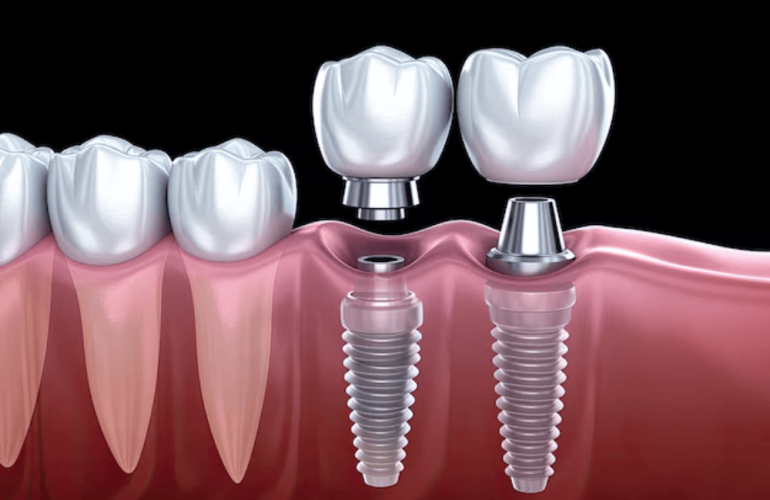
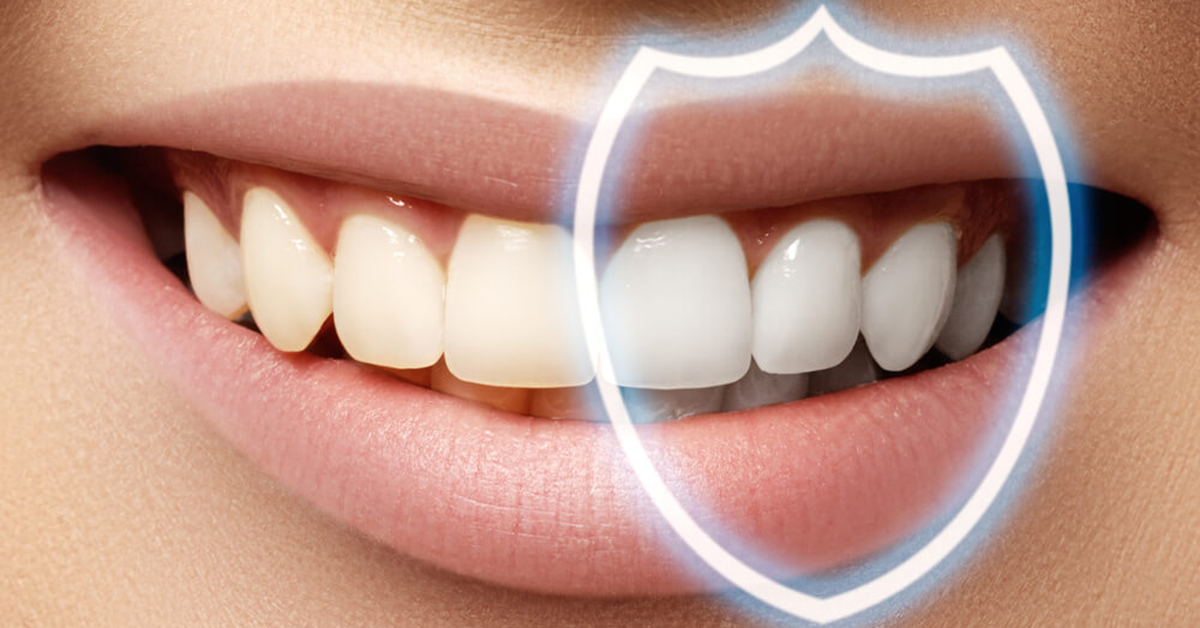
Composite bonding in Tirana is a conservative way to repair chipped, worn, uneven or slightly discoloured front teeth. A tooth-coloured composite resin is added directly to the tooth, shaped by hand and polished, usually without drilling and often in a single visit. This guide explains what the treatment can and cannot achieve, how the appointment works at Zeus Dental Clinic, how long bonding lasts and how it compares with veneers, so you can decide whether it suits your smile.
At a glance
- Best for: chips, small gaps, worn edges, minor shape and colour irregularities
- Tooth preparation: little or none in most cases
- Treatment time: often completed in one appointment, depending on the number of teeth
- Typical lifespan: around 5–7 years before major repair or replacement, with good care
- Maintenance: periodic polishing; small chips can usually be repaired
What Is Composite Bonding?
Composite bonding (also called dental bonding or edge bonding) uses a resin material matched to the shade of your natural teeth. The dentist lightly roughens the tooth surface, applies a bonding agent, then builds up the composite in thin layers. Each layer is hardened with a curing light, and the final shape is refined and polished so it reflects light in a similar way to enamel.
Because material is added rather than removed, bonding is one of the least invasive cosmetic treatments in dentistry. In most cases the natural tooth underneath is left largely intact, which keeps future options open.
Who Is a Good Candidate for Composite Bonding?
Bonding works best when the teeth are healthy and the changes needed are moderate. It is commonly used for:
- Chipped or slightly fractured front teeth
- Small gaps between teeth (for example, between the two front teeth)
- Worn or uneven biting edges
- Teeth that are slightly short, narrow or irregular in shape
- Localised discolouration that does not respond to whitening
When bonding may not be the right choice: active decay or gum disease (these must be treated first), significant crowding or bite problems, heavy tooth grinding without a night guard, or teeth that need a large change in colour or shape. In these situations, orthodontics, porcelain veneers or crowns may give a more predictable result, and your dentist should explain why.
💬 Send Smile Photos for a Free Assessment
Written treatment plan and quote before you travel
The Composite Bonding Procedure at Zeus Dental Clinic
1. Assessment and planning
Treatment starts with an examination of your teeth, gums and bite. If you are travelling to Tirana, you can send photos in advance so the dentist can give a preliminary opinion and a written plan. On the day, the plan is confirmed in person, and any problems such as decay or gum inflammation are addressed before cosmetic work begins.
2. Shade selection
The composite shade is chosen to match your natural teeth in daylight-balanced conditions. If you are considering whitening, it should be done before bonding: composite does not change colour with whitening gel, so the bonding is matched to your final shade.
3. Preparation
The tooth surface is cleaned and lightly etched so the resin can bond securely. Drilling is usually not needed, and most patients do not require local anaesthetic unless a damaged tooth is being repaired.
4. Layering and curing
The dentist builds the composite in layers, sculpting the shape, length and edges by hand. Each layer is set with a curing light.
5. Finishing and bite check
The bonding is contoured, polished and checked against your bite, so the new edges meet the opposing teeth correctly. You leave the appointment with the finished result; there is no lab stage and no temporary teeth.
A single tooth may take under an hour. A full smile of 6–10 teeth takes considerably longer and is sometimes split across two appointments. For more detail, see how long composite bonding takes.
Composite Bonding vs Veneers
Bonding and porcelain veneers can both change the shape and colour of front teeth, but they suit different goals.
| Composite bonding | Porcelain veneers | |
|---|---|---|
| Tooth preparation | Little or none | Some enamel usually removed |
| Visits | Usually one | Usually two or more (lab-made) |
| Stain resistance | Moderate; needs polishing | High |
| Typical lifespan | Around 5–7 years | Typically 10 years or more |
| Repairs | Easy to repair in the chair | A chipped veneer is usually replaced |
| Upfront cost | Lower | Higher |
As a rule of thumb, bonding suits small to moderate corrections where you want to keep your natural teeth intact. Veneers suit larger changes in colour and shape, or patients who want a longer-lasting, more stain-resistant result. Read our full comparison of composite bonding vs veneers.
How Long Does Composite Bonding Last?
With good care, composite bonding typically lasts around 5–7 years before it needs significant repair or replacement, and some patients get longer. Composite is softer than natural enamel and porcelain, so it gradually loses its surface shine and can pick up stains over time.
The main factors that shorten its life are tooth grinding or clenching, biting hard objects (nails, pens, ice), smoking and frequent coffee, tea or red wine. A professional polish during routine check-ups helps keep the surface smooth, and small chips can usually be repaired without redoing the whole tooth. For an honest summary of the trade-offs, see the pros and cons of composite bonding.
Aftercare Tips for Composite Bonding
- Brush twice a day with a non-abrasive toothpaste and clean between your teeth daily.
- Limit strongly coloured drinks for the first 48 hours, and rinse with water after coffee, tea or red wine.
- Avoid biting directly into very hard foods with bonded edges, and do not use your teeth as tools.
- If you grind your teeth at night, ask about a night guard to protect the bonding.
- Keep regular check-ups and hygiene appointments with your local dentist, and mention that you have composite bonding.
Composite Bonding in Tirana for International Patients
Many patients from the UK, Italy and elsewhere in Europe combine composite bonding with a short stay in Tirana. Because bonding is completed directly in the chair, it fits well into a short trip, and the result can be reviewed before you fly home.
To plan the visit efficiently:
- Send photos first (front smile, close-up of the teeth, and side views) so the dentist can confirm whether bonding is suitable.
- Get a written plan with the number of teeth, the materials used and an itemised quote before booking flights.
- Allow a buffer day for any adjustments after the main appointment.
- Plan aftercare at home: polishing and small repairs can be done by your regular dentist.
For bonding prices and what is included, see composite bonding and composite veneers in Albania. If you are weighing up treatment abroad, our guide on whether Albania is safe for dental treatment covers the practical questions.
About Zeus Dental Clinic
Zeus Dental Clinic was founded by Dr. Aida Zhupani and is located on Rruga Dritan Hoxha in Tirana, Albania. The clinic provides cosmetic and restorative dentistry, including composite bonding, composite and porcelain veneers, zirconia crowns and dental implants.
- Free remote assessment: send photos and receive a written plan and quote before you travel.
- Options explained side by side: bonding, composite veneers and porcelain veneers, with the reasons for each recommendation.
- Conservative approach: we treat the number of teeth your smile actually needs.
- Opening hours: Monday to Saturday, 09:00–19:00.
Contact us to book a consultation.
Frequently Asked Questions
Does composite bonding hurt?
Usually not. Because little or no enamel is removed, most patients do not need an injection. Local anaesthetic may be used if a damaged tooth is being repaired.
Can composite bonding be removed?
Yes. Since the natural tooth is largely preserved, bonding can usually be polished off or replaced with another treatment later, such as veneers.
Can I whiten my teeth after bonding?
Whitening will lighten natural teeth but not the composite, which can leave a mismatch. If you want whiter teeth, whiten first and have the bonding matched to the new shade.
How many visits does composite bonding in Tirana need?
Often one appointment, depending on the number of teeth. A full smile may be split over two sessions, and we recommend allowing a spare day in Tirana for any adjustments.
Is bonding better than veneers?
Neither is better in every case. Bonding is less invasive and cheaper up front; porcelain veneers last longer and resist staining better. The right choice depends on how much change you need and your long-term priorities.
💬 Book Your Composite Bonding Consultation
Free quote · Fast reply · English spoken
This article is general information and is not a substitute for a dental examination. Suitability, treatment time and lifespan vary from patient to patient.